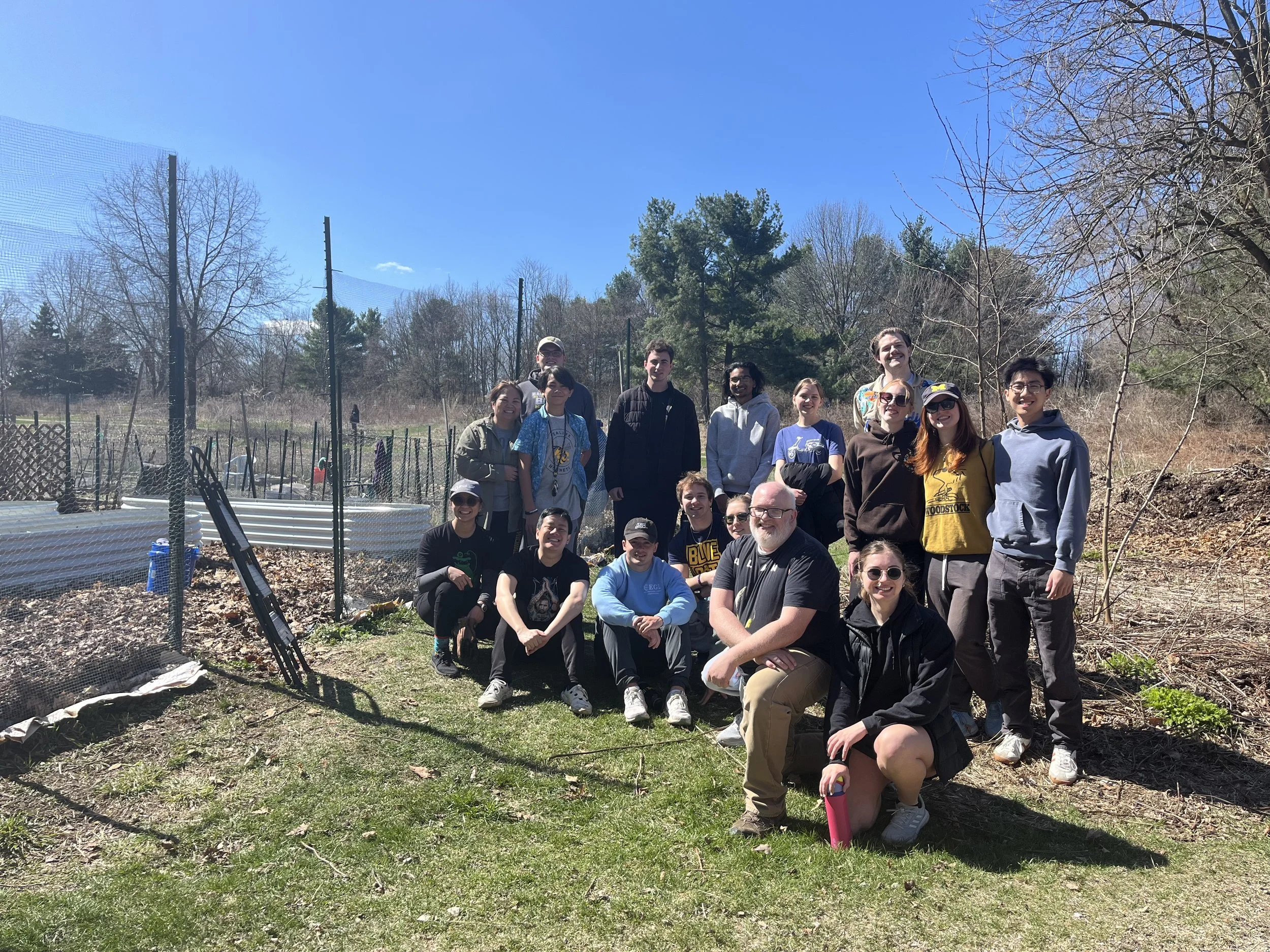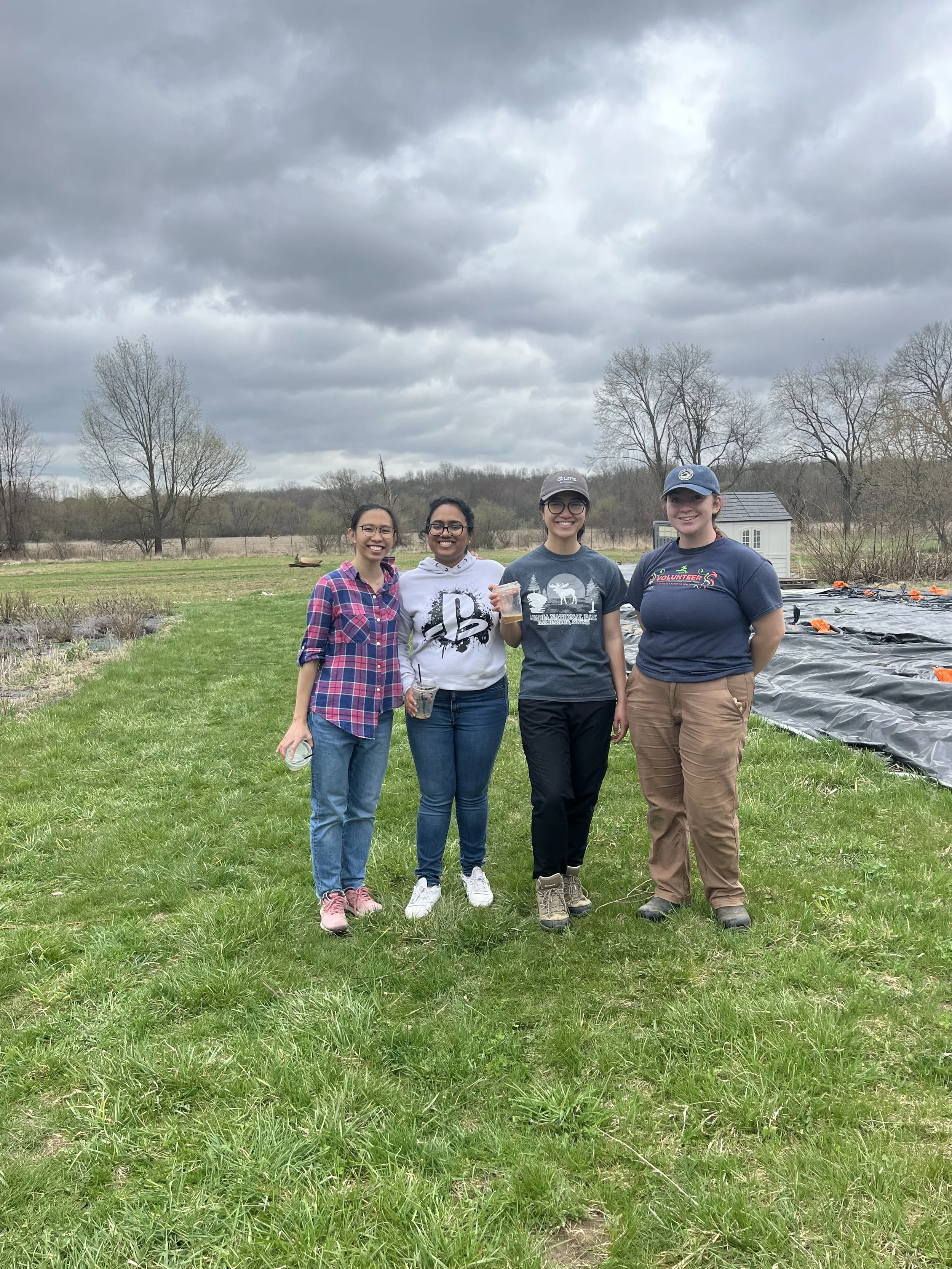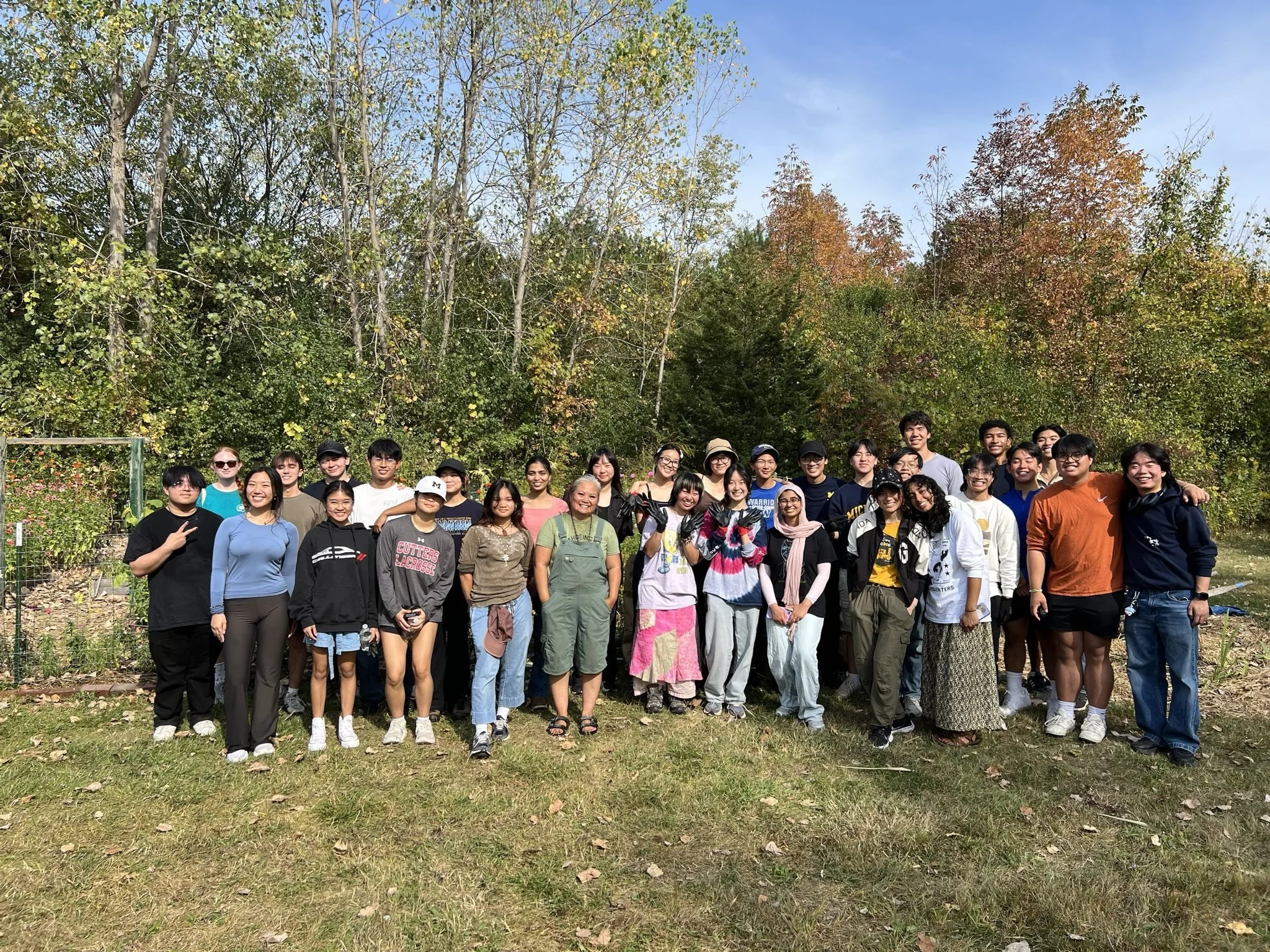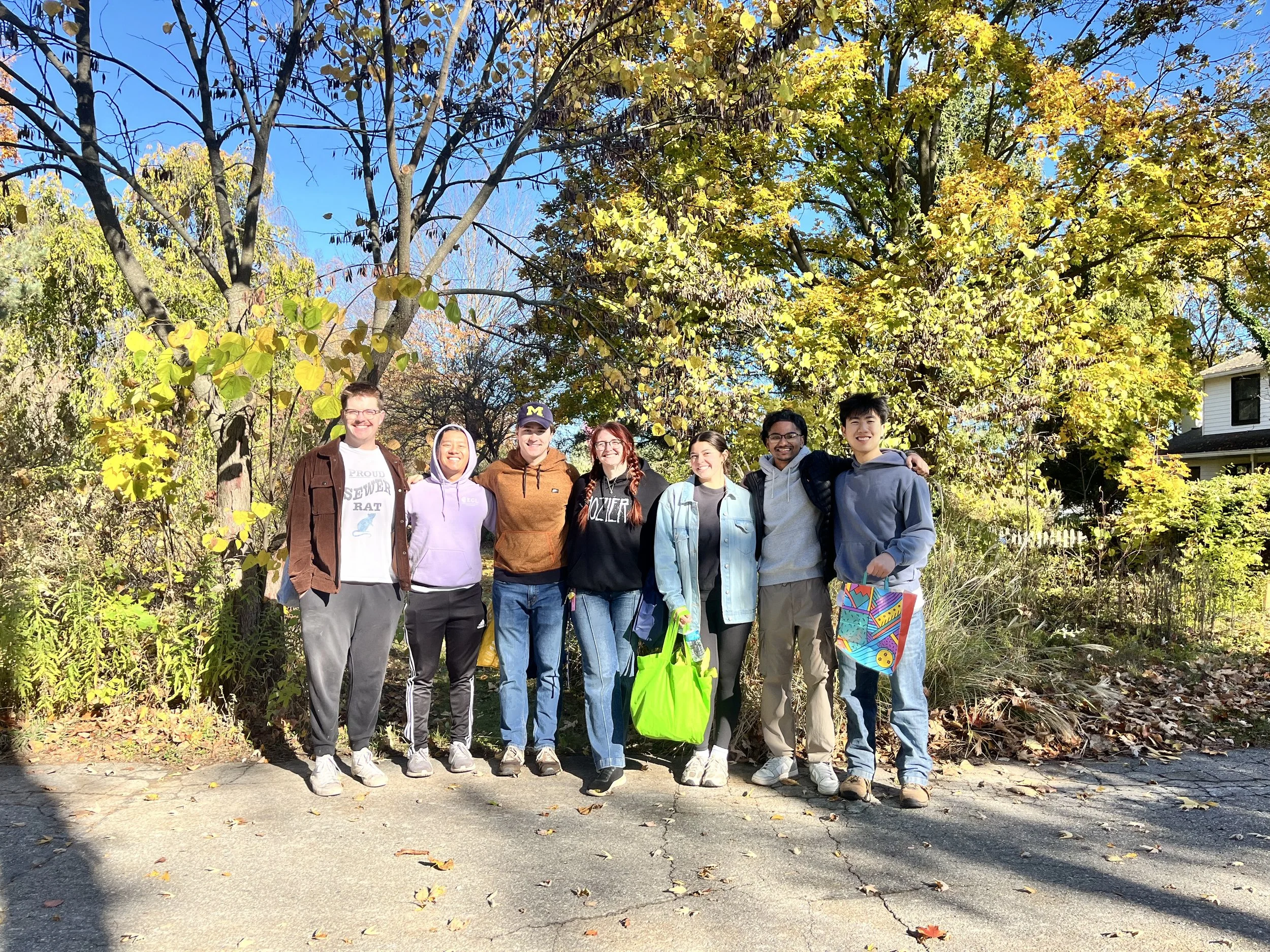
Our Work in Action
At Refugee Garden Initiatives (RGI), we believe food is more than nourishment—it is culture, identity, health, and belonging.
As a refugee-led nonprofit, we use farming, education, research, and storytelling to demonstrate how culturally meaningful foods can strengthen communities and create more inclusive food systems. Through our Healing and Vertical Food Gardens, community partnerships, and public engagement, we bring people together to learn, grow, and imagine a food system where everyone feels represented.
Demonstration Farming & Community Education
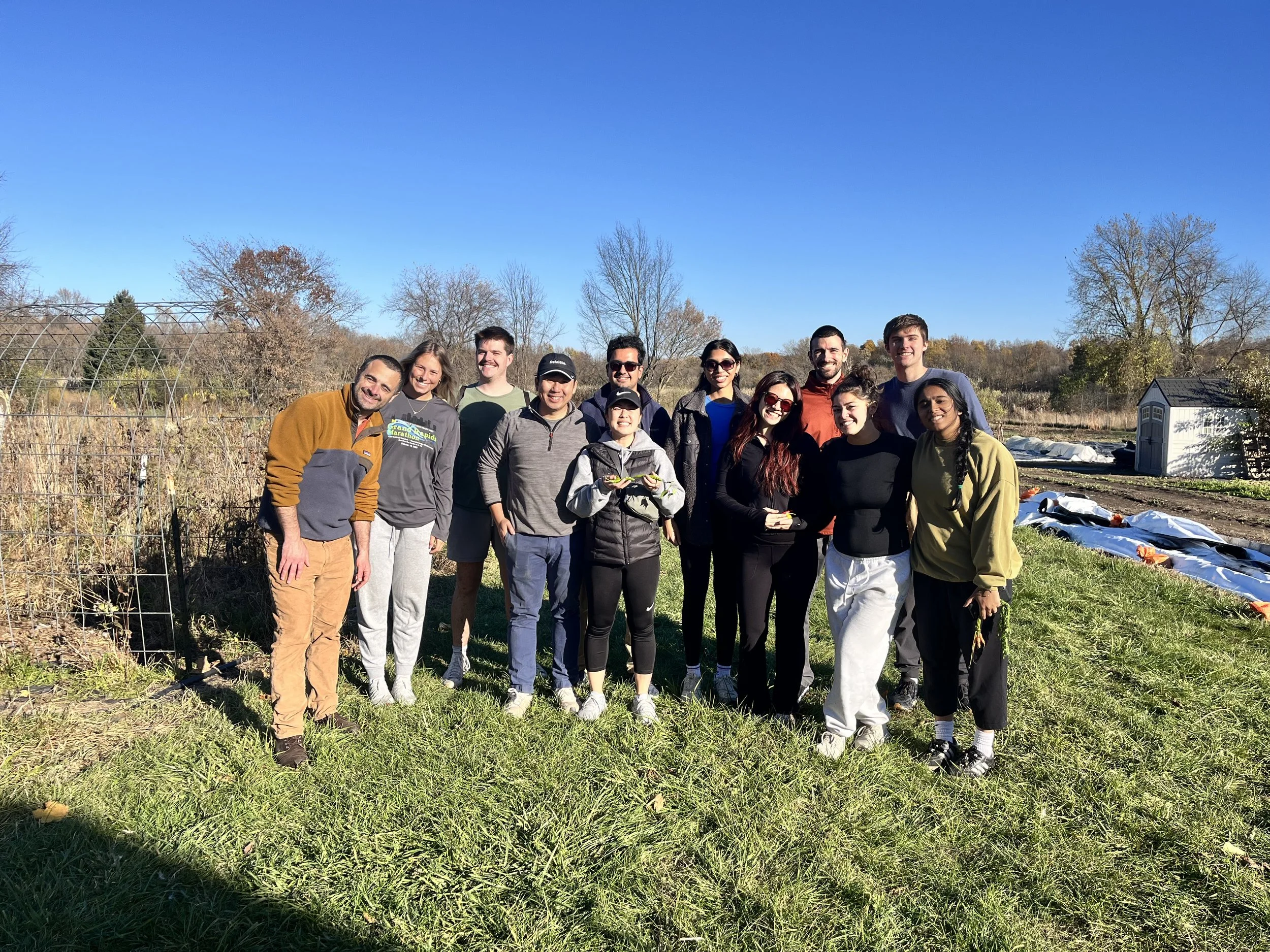
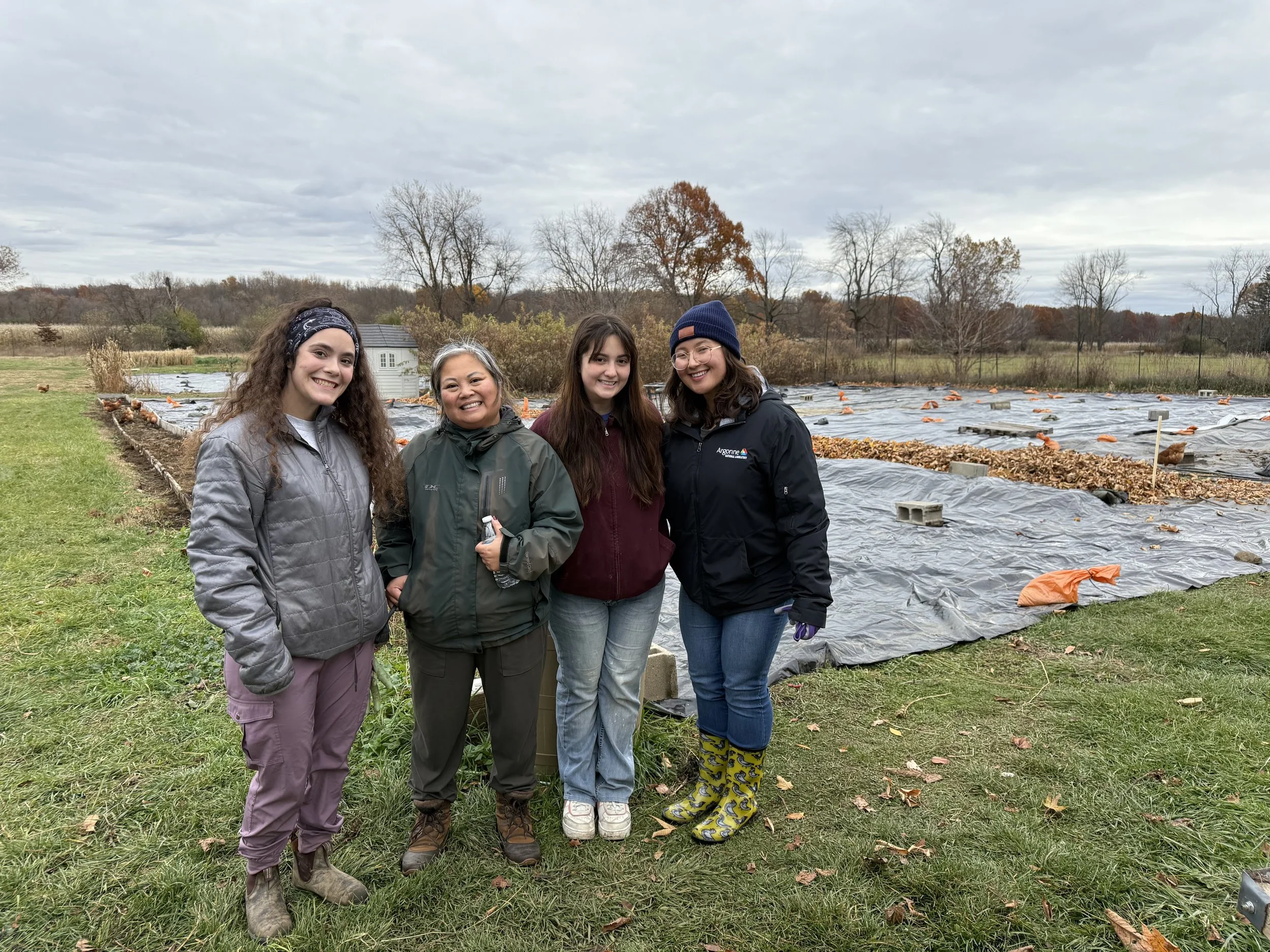
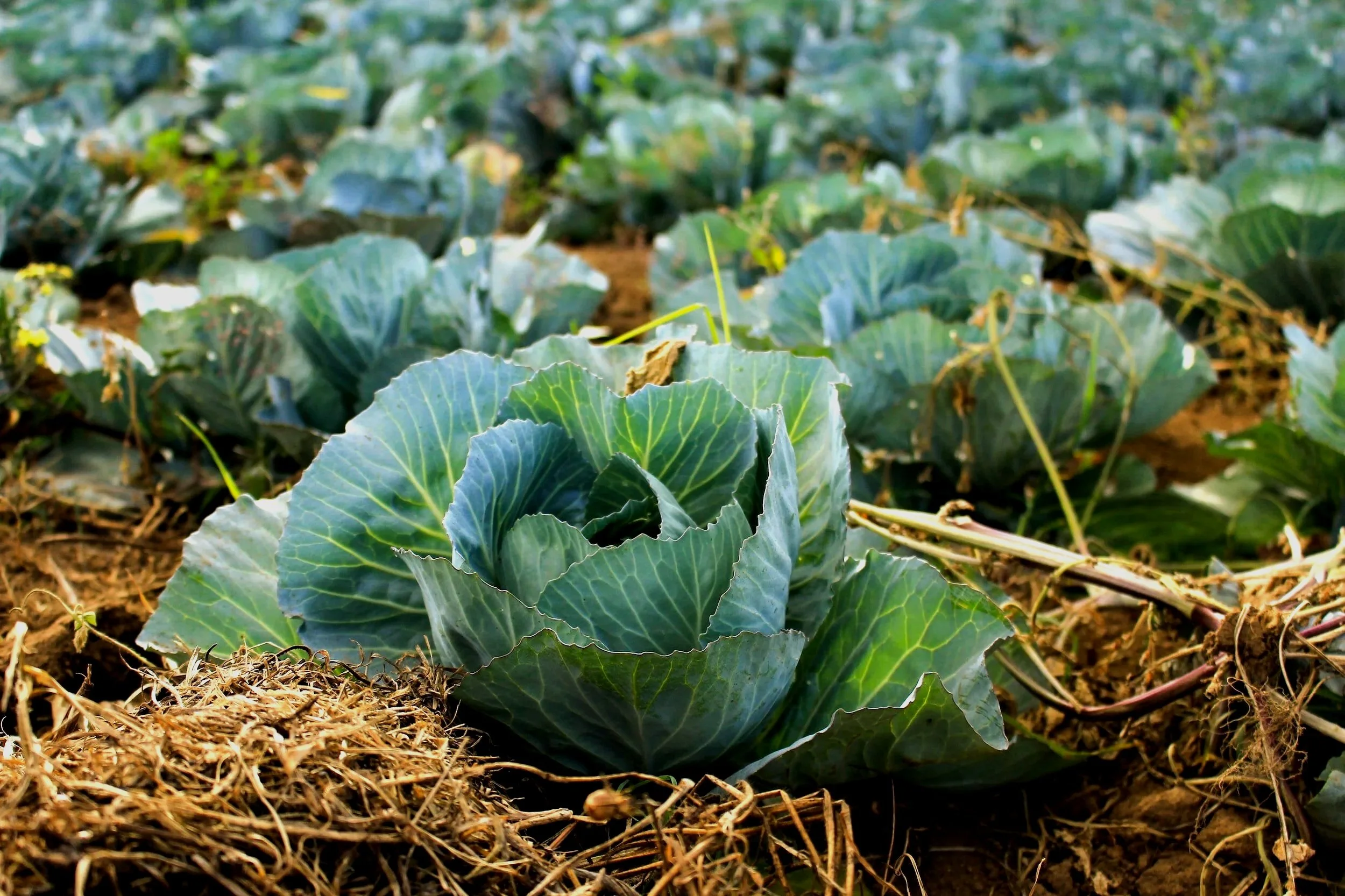
The Healing and Vertical Food Gardens serves as a living classroom where we demonstrate sustainable growing practices and the importance of culturally meaningful foods. While our garden produces fresh fruits, vegetables, herbs, and flowers, its greatest purpose is education.
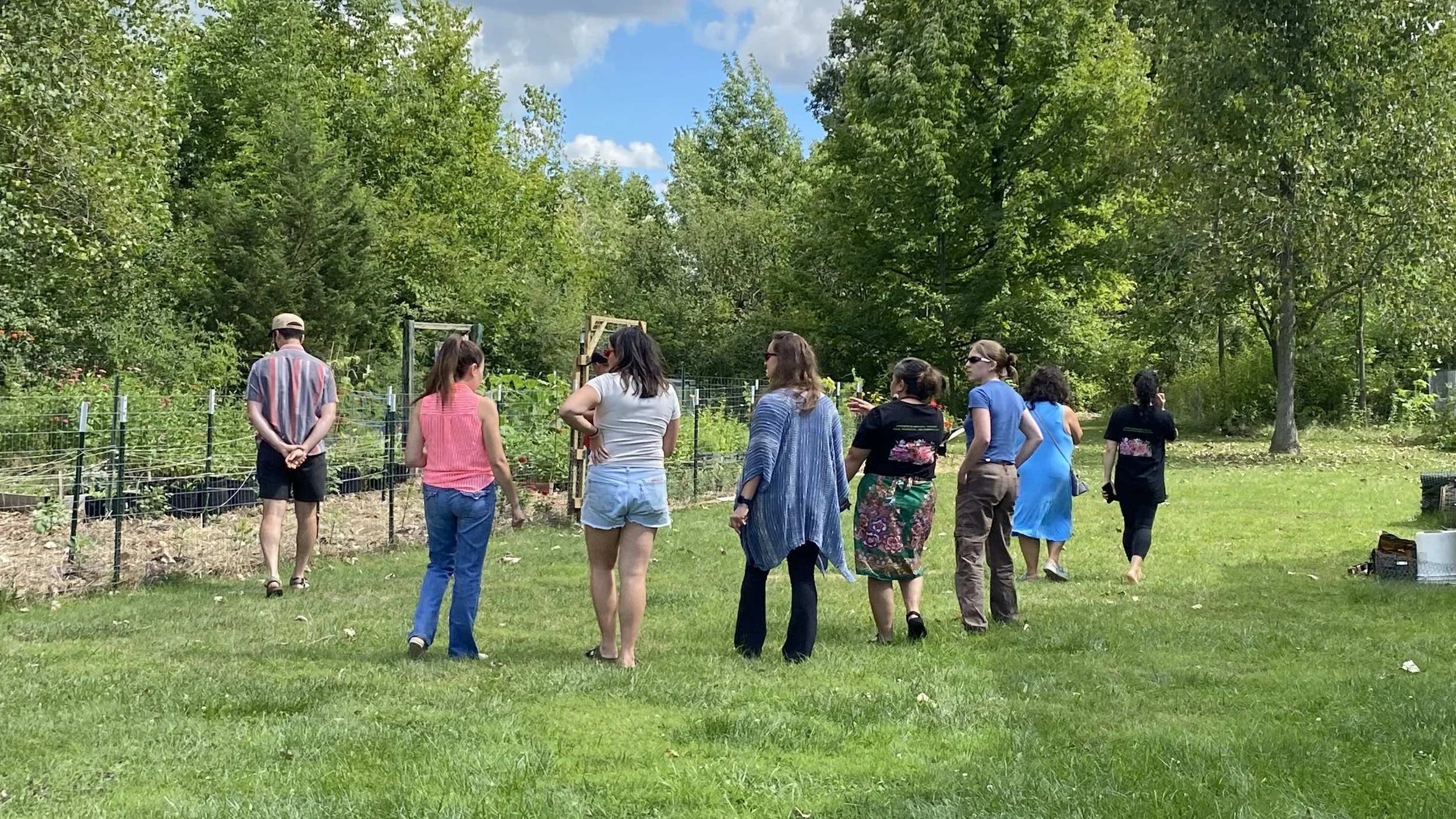
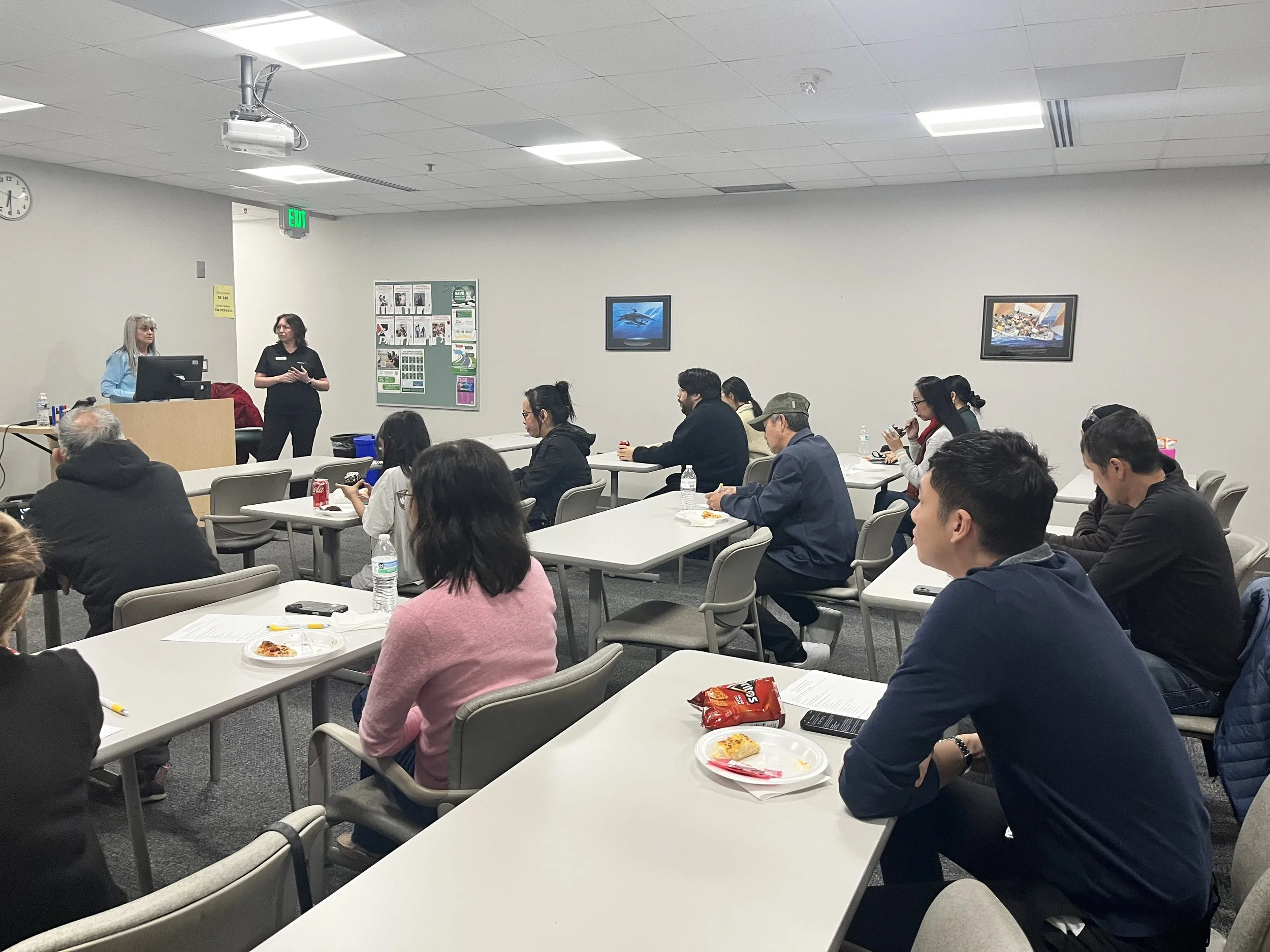
Visitors learn how food connects to health, culture, and community through garden tours, workshops, cooking demonstrations, and conversations that encourage a deeper understanding of inclusive food systems.
Rather than simply growing food, we demonstrate ideas that can be adopted by schools, hospitals, food pantries, farmers markets, and other institutions seeking to better serve diverse communities.
Community Outreach & Food Access
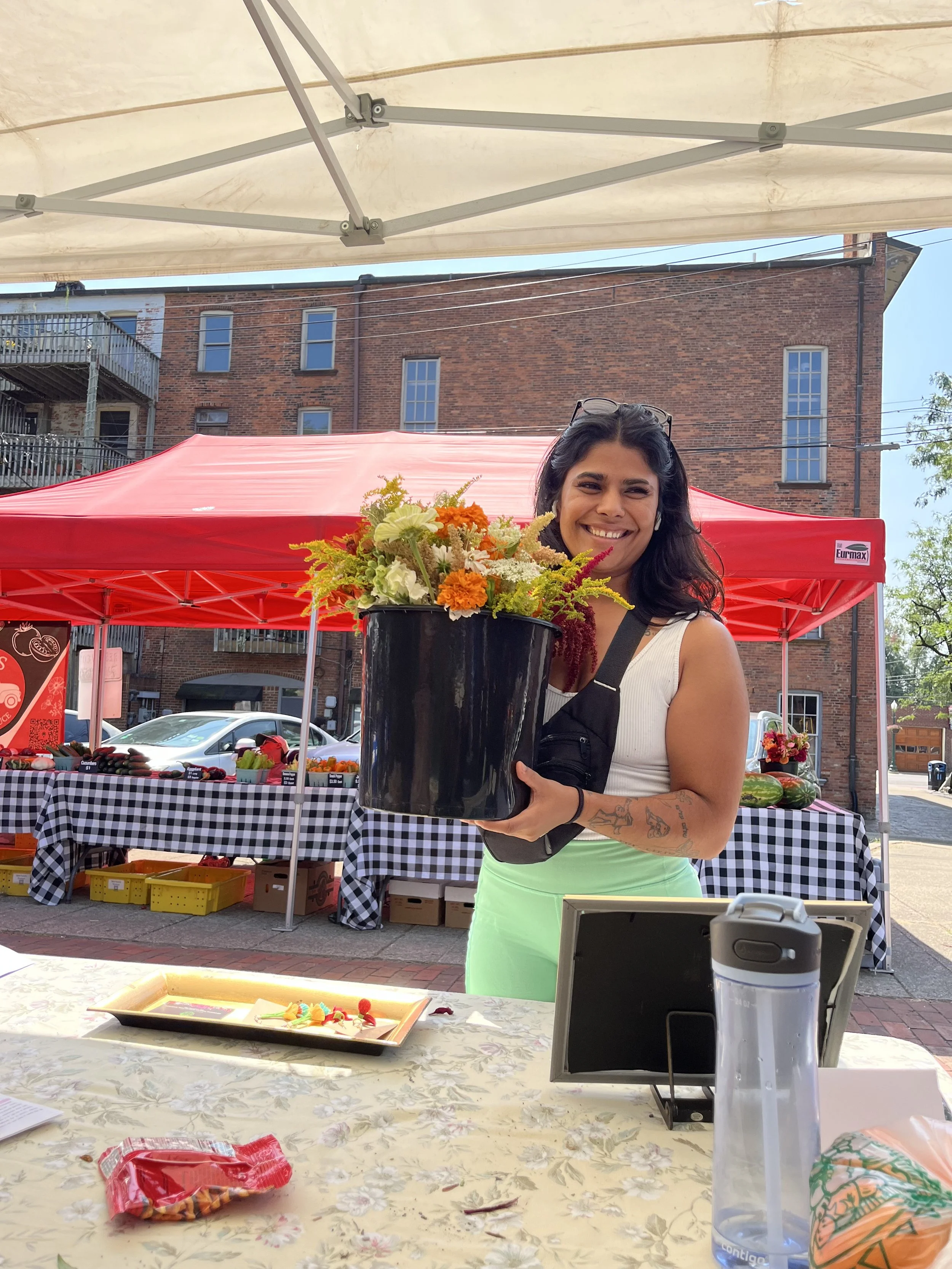
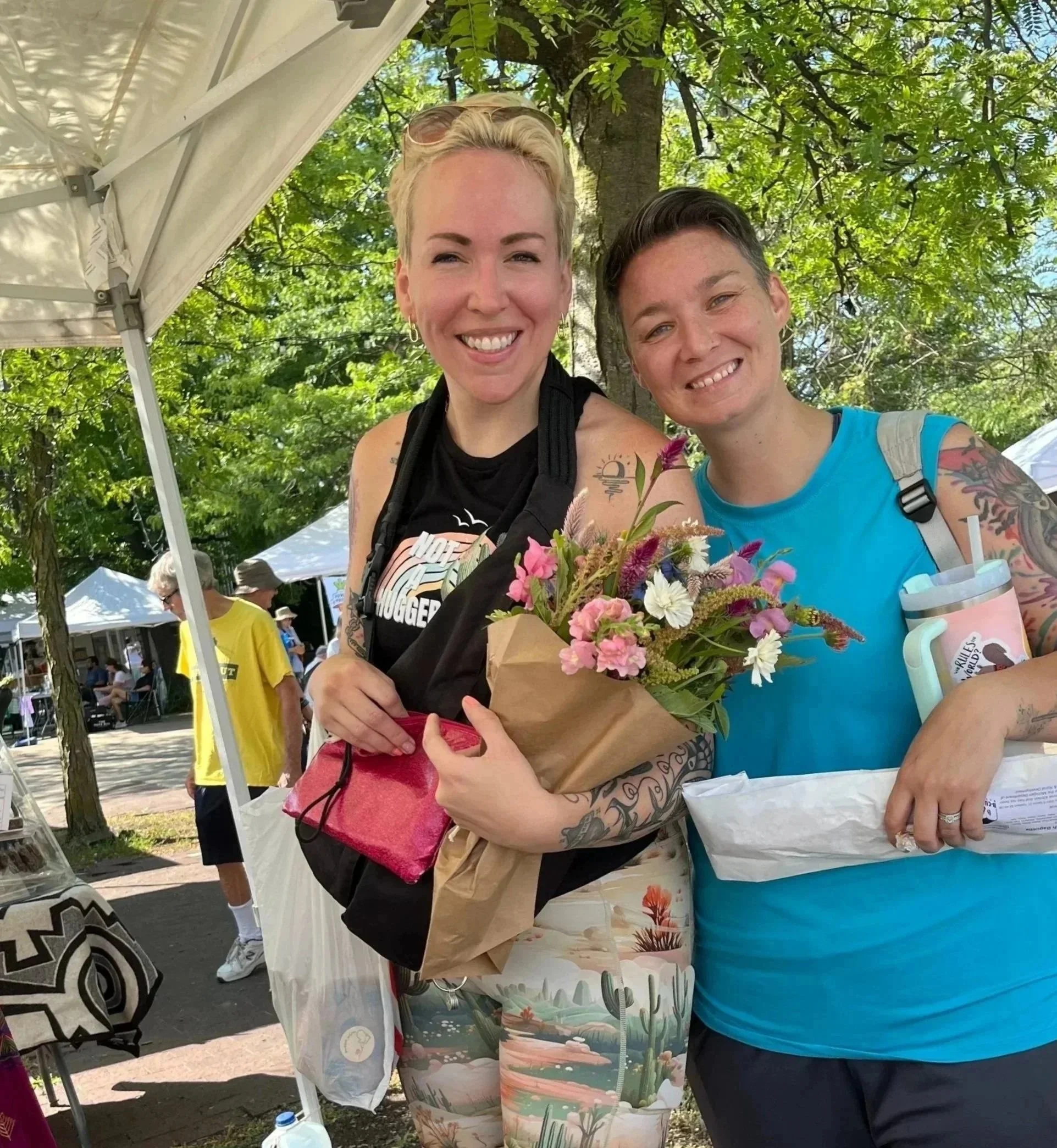
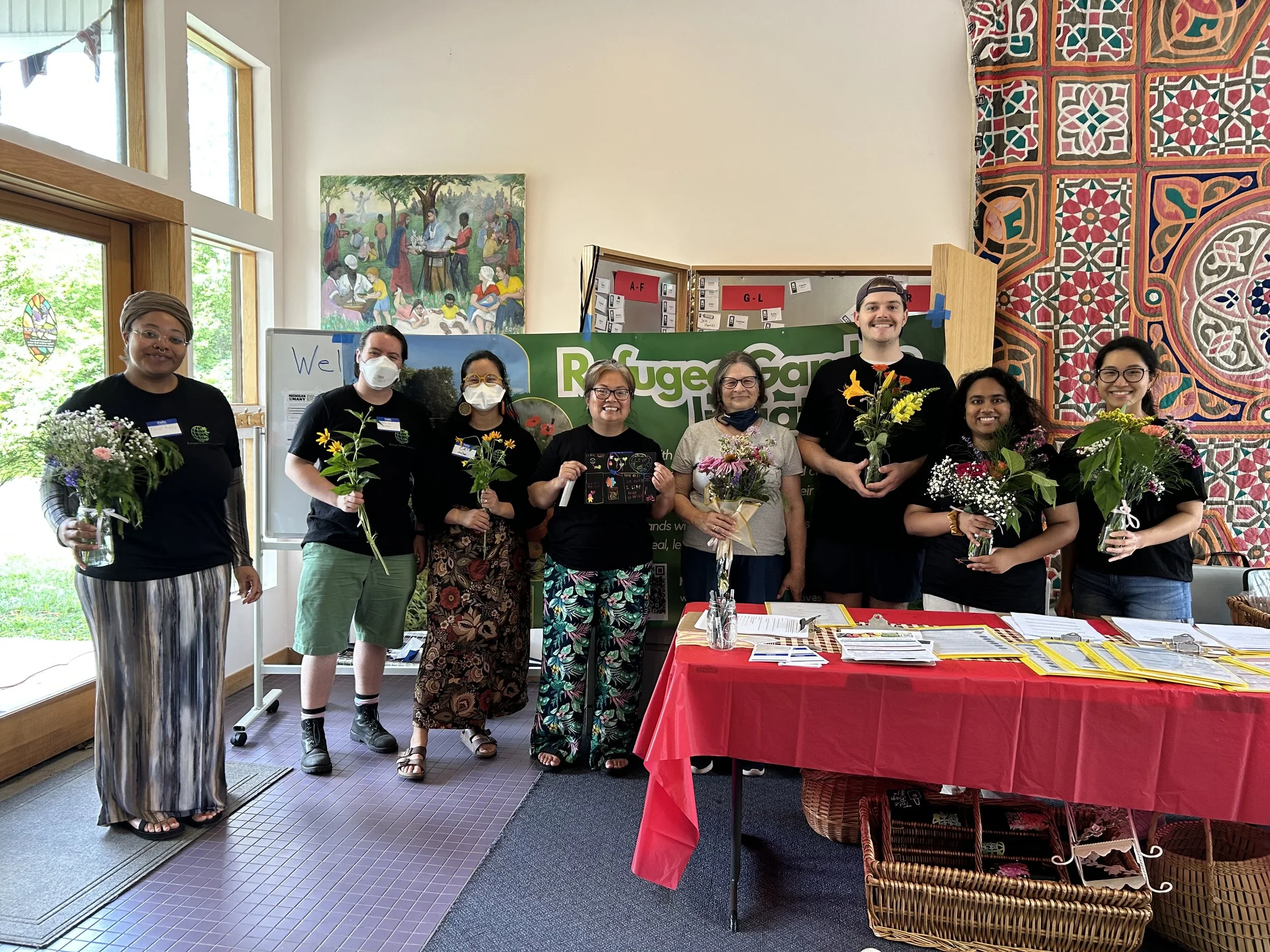
RGI meets people where they are—at farmers markets, cultural events, places of worship, and community gatherings.
Our outreach combines nutrition education, conversations about culturally meaningful foods, information on local food resources, and opportunities to connect with local growers. Through these interactions, we help build awareness while strengthening relationships across communities.
Our Feeding the World, One Box at a Time CSA further extends this work by offering seasonal produce inspired by five cultural food pathways—African, Latin, Middle Eastern, Southeast Asian, and South Asian—paired with recipes and stories that celebrate the traditions behind the food.
Research, Innovation & Partnerships
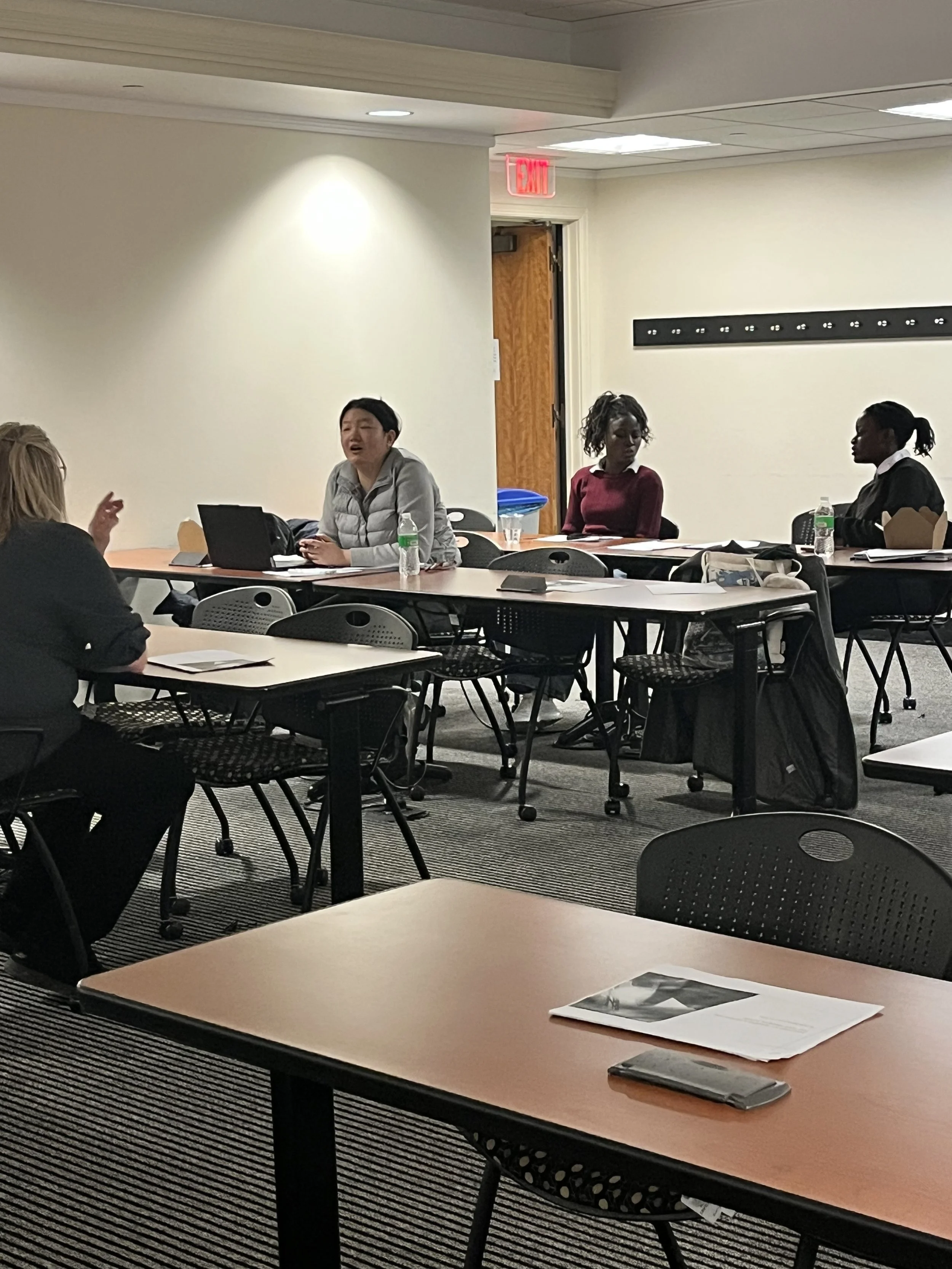
RGI collaborates with universities, students, farmers, healthcare organizations, and community partners to explore innovative approaches to sustainable agriculture and food access.
Our Healing and Vertical Food Gardens serve as a demonstration site where research, conservation, and community knowledge come together. Current collaborations explore topics such as sustainable growing systems, water conservation, soil health, and strategies for increasing access to culturally meaningful foods.
By connecting academic research with lived experience, we help develop practical solutions that can be shared with communities throughout Michigan and beyond.
Storytelling & Community Gathering
Every meal tells a story.
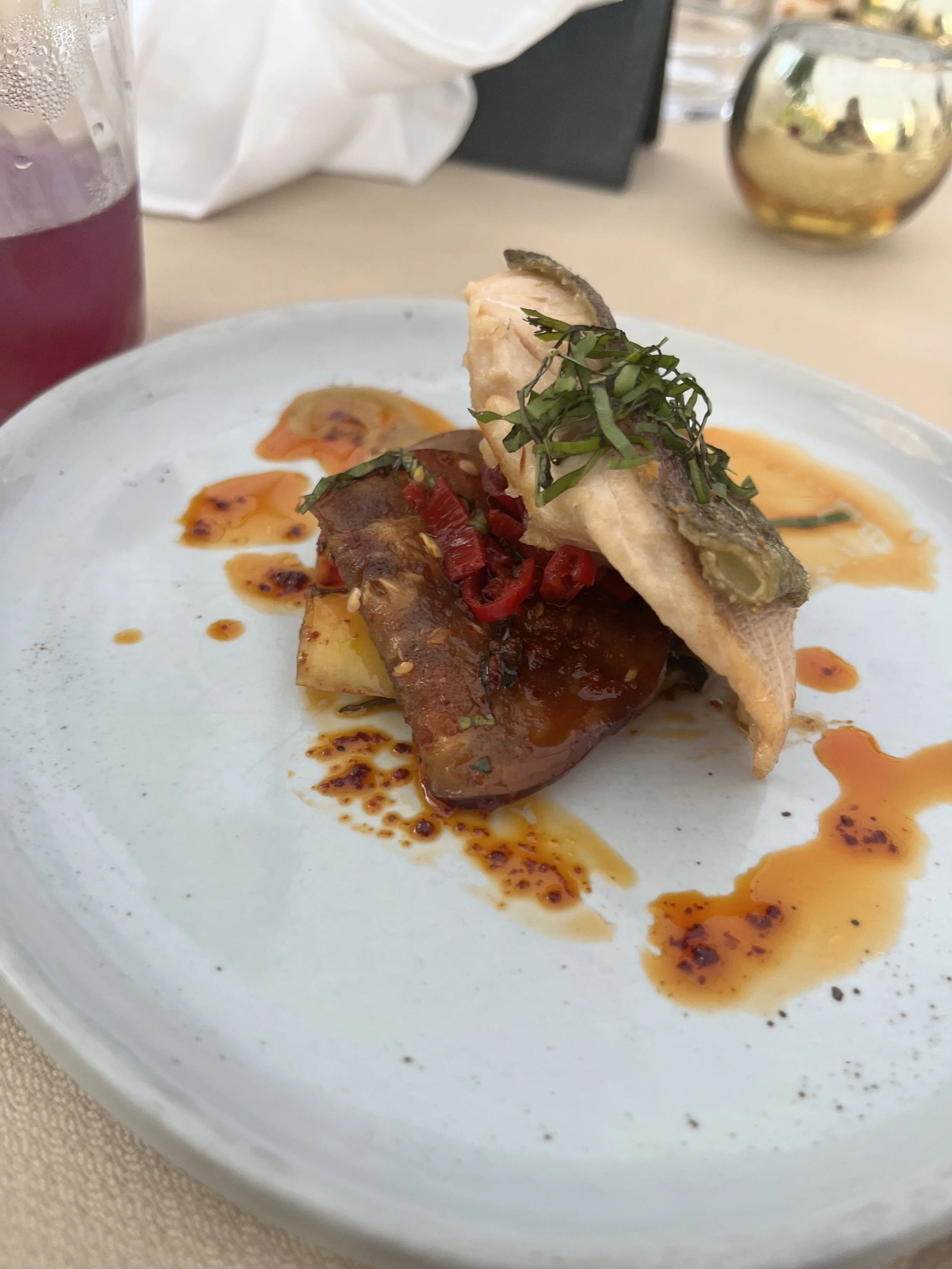
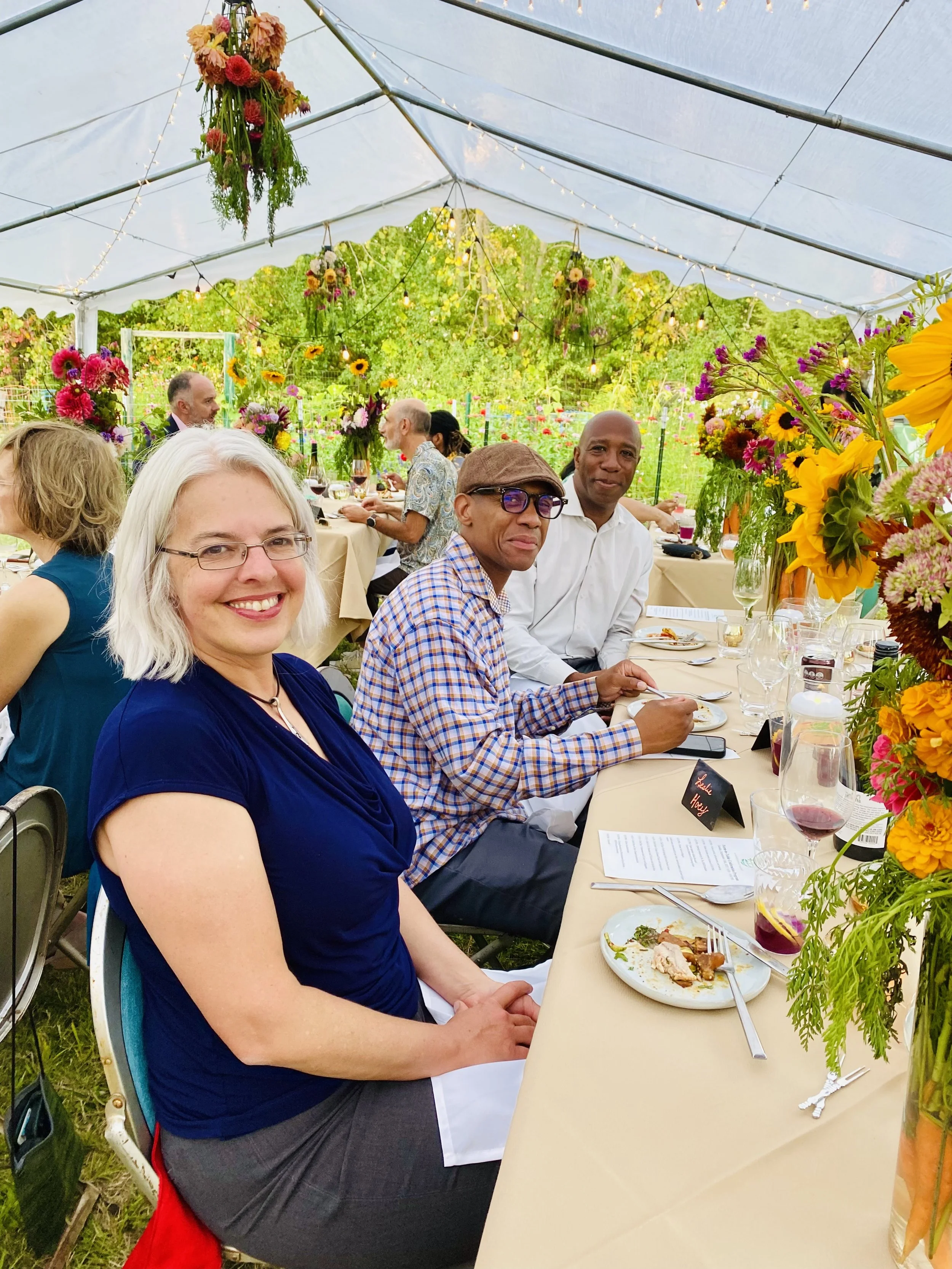
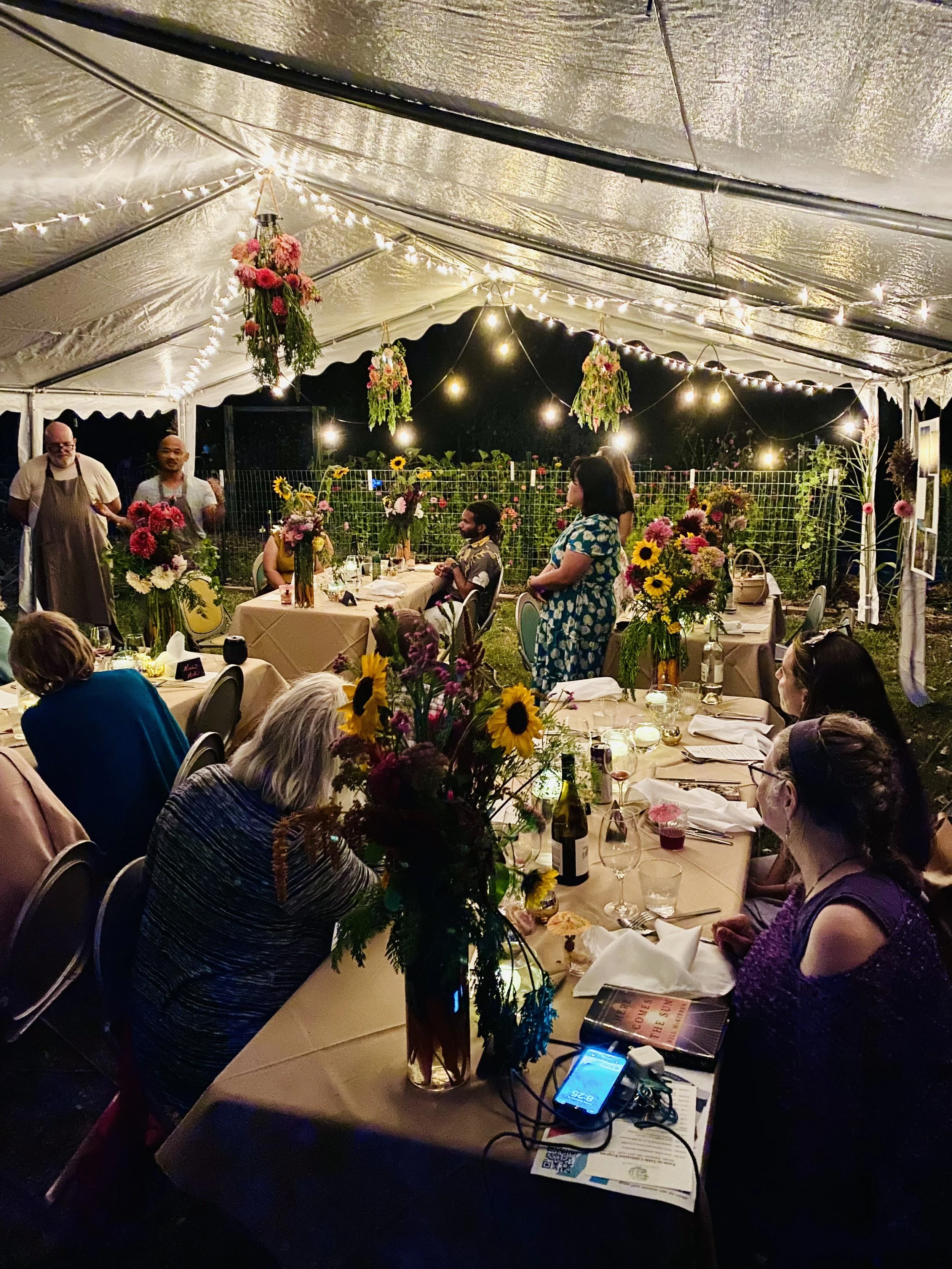
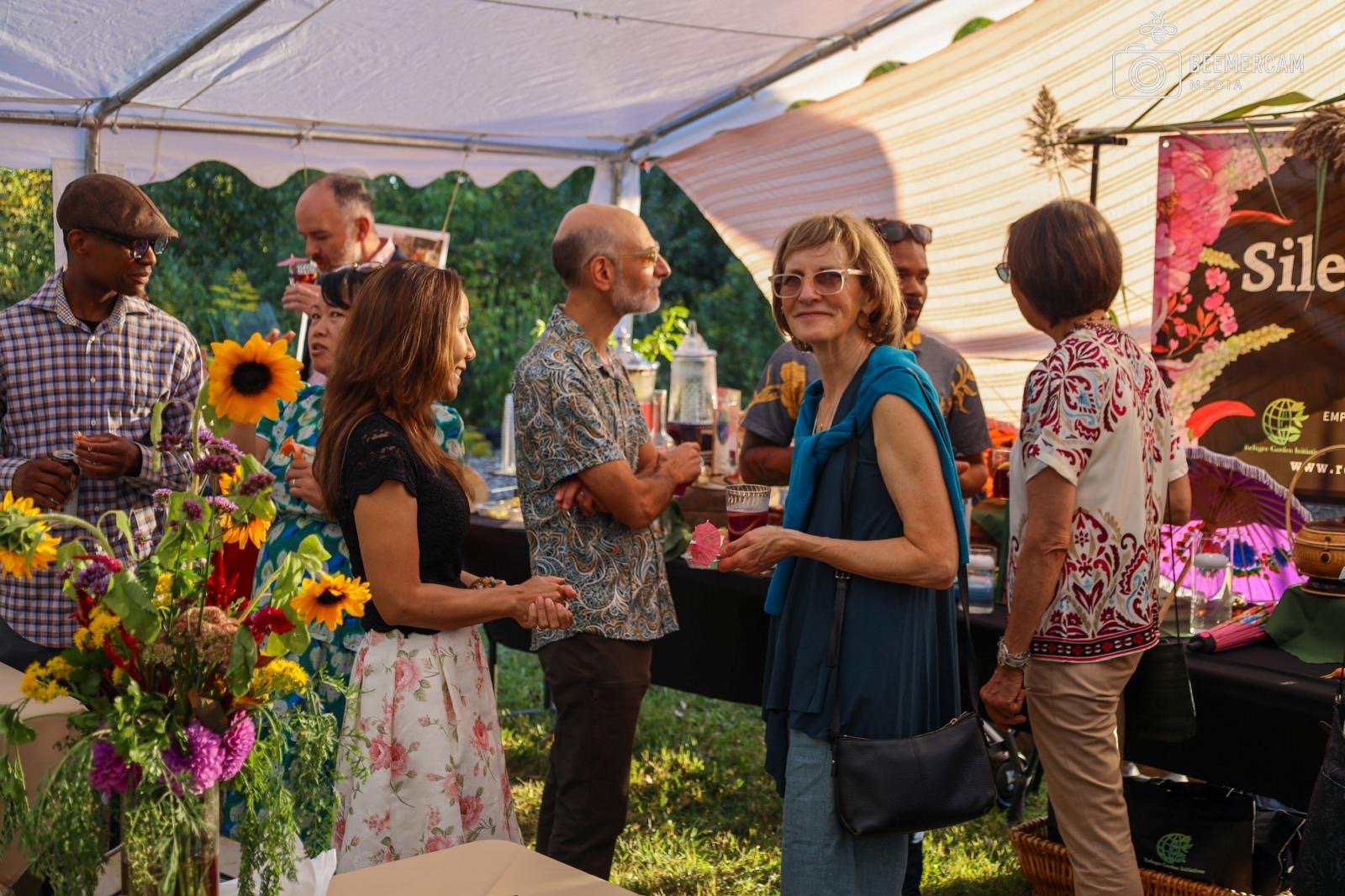
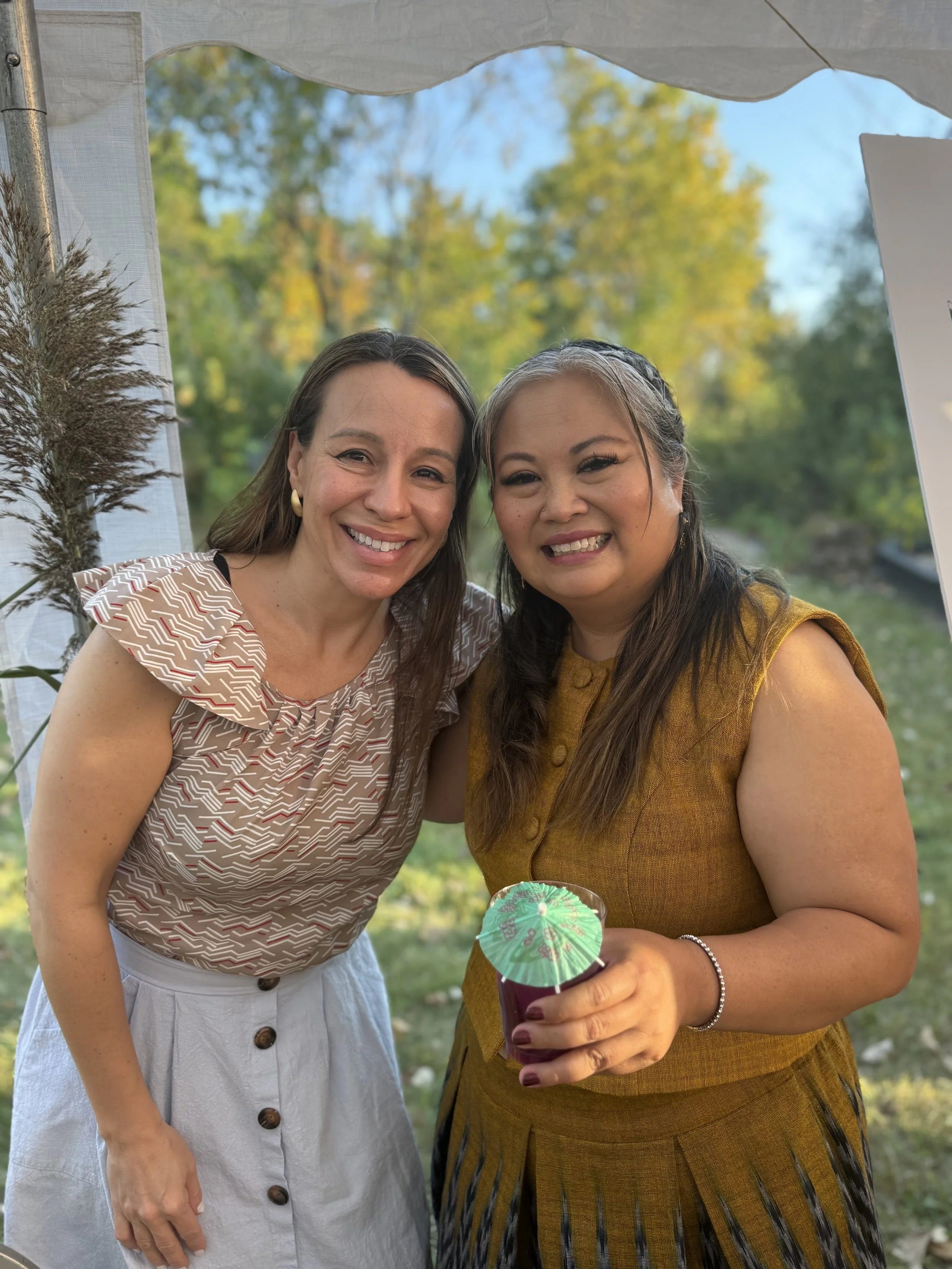
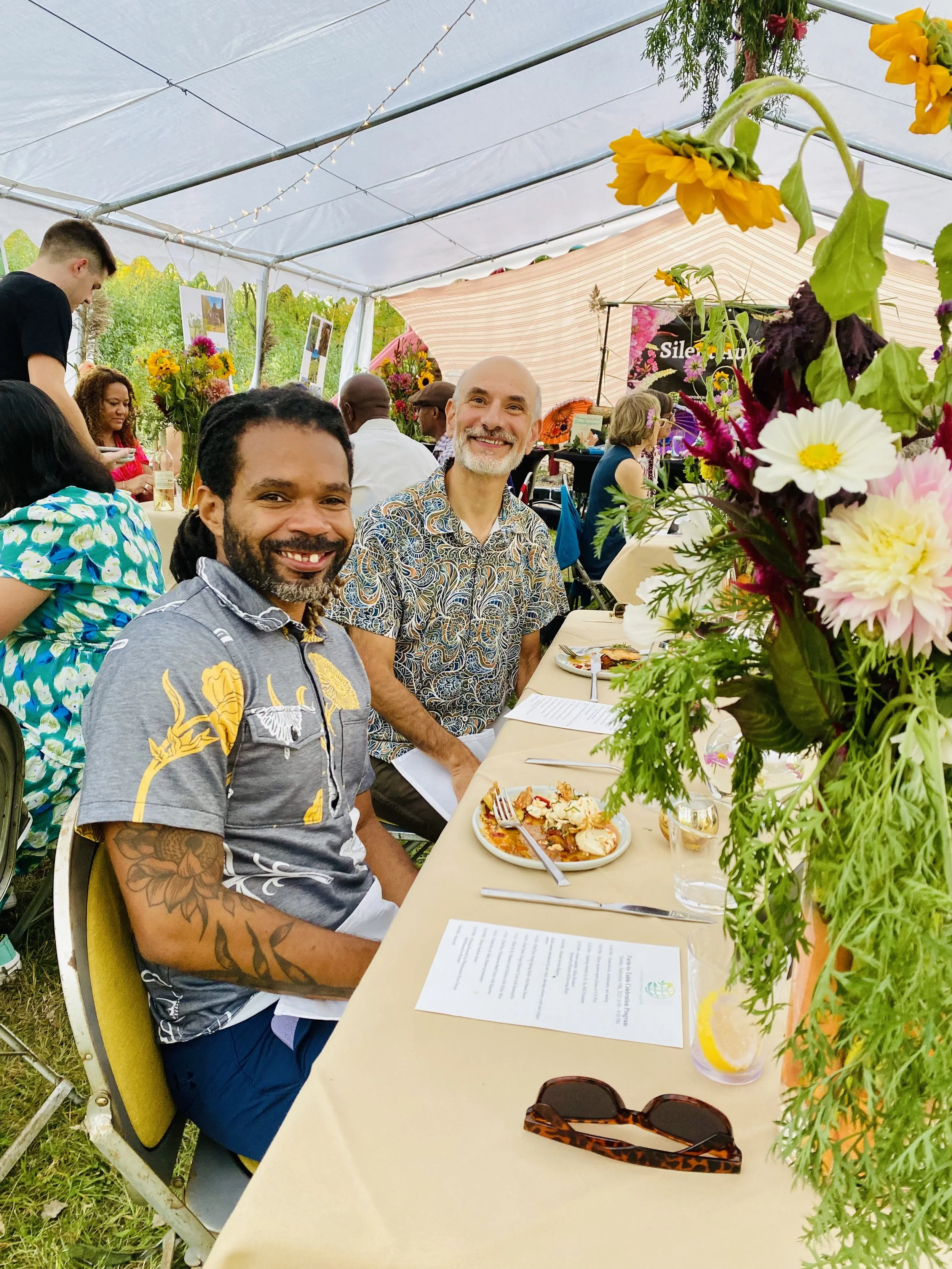
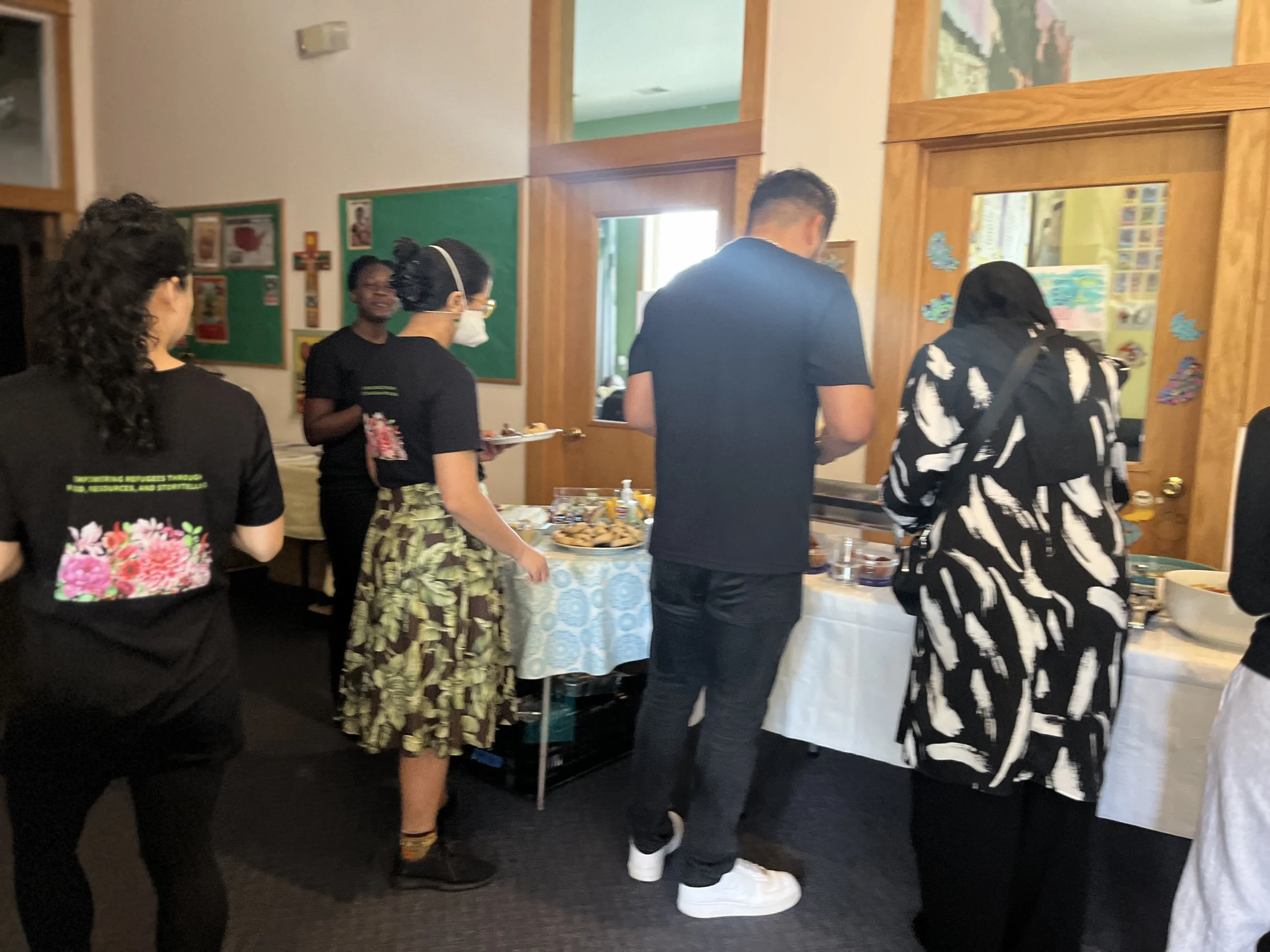
Through public events, cultural programming, garden dinners, and community gatherings, RGI creates opportunities for people to connect through food, conversation, and shared experiences.
Whether attending The Farmer & The Chef Garden Dinner Series, visiting the Healing and Vertical Food Gardens, or participating in a community event, guests experience how food can build relationships, preserve cultural traditions, and inspire new ways of thinking about health, belonging, and community.
Storytelling remains central to everything we do because every person, every culture, and every meal has a story worth sharing.
Building a More Inclusive Food System
Our work extends beyond the garden.
RGI partners with community organizations, educators, healthcare providers, and public institutions to advocate for food systems that recognize the importance of culturally meaningful foods.
By demonstrating practical solutions, fostering partnerships, and amplifying lived experiences, we hope to influence how communities think about food, health, and belonging—creating a future where everyone can see their culture reflected in the food available around them.